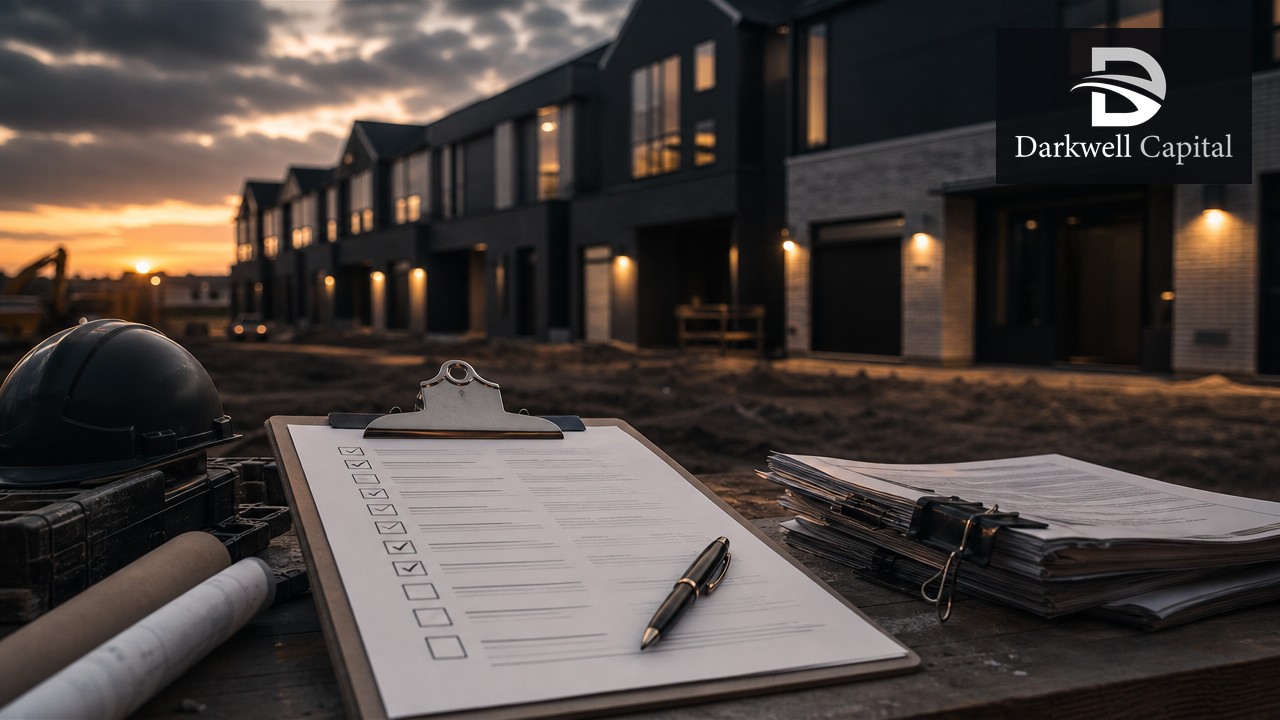
The work is substantially done. The punch list never ends. Draws stall. Retainage sits. “One more walkthrough” becomes a payment strategy. HOA boards, production builders, and GC layers often move slower — and more politically — than a single homeowner, which is exactly why documentation and capital matter when the balance is real.
Short version: endless punch lists are sometimes quality control — and sometimes payment avoidance in a suit. Darkwell Capital may fund eligible enforcement or purchase eligible claims case by case. We are not a law firm and we do not give legal advice.
Important disclaimer: Darkwell Capital LLC is a private litigation finance and claim acquisition company. We are not a law firm, we are not attorneys, and we do not provide legal advice. This article is general educational information for contractors and trades facing HOA, builder, or punch-list payment disputes. Remedies, lien rights, and deadlines are fact-specific and vary by state and contract. Do not rely on this page as legal advice. Confirm every next step with a licensed attorney in the relevant jurisdiction. Nothing here promises funding, approval, recovery, or that a punch list is “bad faith.”

Common scenarios
- HOA common-area renovations, roofs, concrete, paint, landscaping, and amenity work where board approvals and reserves create delay theater.
- Townhome / production-builder draw disputes and final retainage holds.
- GC → sub retainage and “we’ll pay when the owner pays” loops.
- Final walkthroughs that reinvent scope after substantial completion.
Local color does not rewrite your contract or your state’s lien rules. Documents and dates still decide leverage.

Paper trail priorities
Build (and keep) a file counsel can use:
- Contract, proposals, and signed change orders
- Pay apps / draw schedules and what was approved
- Inspection sign-offs, architect/engineer notes, or owner emails admitting completion
- Punch lists with dates, photos of completed items, and written “done” acknowledgments
- Amount unpaid, retainage math, and who owes whom in the chain
- Any NOI / lien / demand / suit status — as counsel describes it
Vague “they know it’s done” stories underwrite poorly. Dated photos and email admissions underwrite better.
Leverage tools (high level — not a playbook)
Educational labels only — your counsel decides what fits:
- Contract remedies — notice, cure, interest, stop-work, or dispute procedures as written.
- Lien / notice rights where applicable — state-specific; Colorado contractors can use the educational hub and cluster: Colorado Mechanic Lien Guide 2026, NOI deadlines, foreclosure timeline.
- Funded counsel — when the balance is large enough that enforcement cost is the bottleneck.
Politics differ: HOA boards care about assessments, reserves, and member optics; builders care about closings and warranty pipelines. Reputational pressure is real — it is not a substitute for a fundable legal path.
When Darkwell may fit
Capital conversations make sense when:
- Liability and damages look supportable on paper, and
- Collectability is plausible enough for counsel to recommend next steps, and
- The reason the file is stuck is cost, not absence of any theory.
Six-figure (or otherwise fundable) balances where retainage / punch-list theater is blocking counsel are the classic fit. Tiny nuisance balances with missing contracts usually are not. Related framing:
- Contractor Not Getting Paid
- Mechanic Lien Attorney Alternative
- Claim funding when you can’t afford an attorney
- Litigation funding vs hiring a lien attorney
If the lien window already closed, see My Mechanic Lien Expired — Now What? — still educational, still not a promise of remaining rights.
Why HOA and builder files feel different
Single-homeowner disputes often turn on one decision-maker. HOA files can involve boards, managers, reserves, and member politics. Builder files can involve warranty teams, closing calendars, and layered GCs. None of that replaces your contract or your state’s remedies — it does change who you need to document and how long “almost done” can drag.
Colorado contractors deep in lien timing can still use the educational cluster linked above. If your project is in another state, treat those pages as Colorado education only. For capital framing elsewhere, see Miami, Orlando, About, and FAQ.
Retainage vs. invented punch work
Legitimate punch items deserve fixing. Invented or ever-growing lists after sign-off deserve a dated paper trail and counsel. Darkwell does not decide which is which — that is counsel’s job. Capital only enters when the enforcement path is clear enough to underwrite and cost is the bottleneck.
What to send for a free claim review
Useful packets often include party names (HOA / builder / GC / your entity), project address, amount unpaid + retainage, punch-list status with dates, contracts/change orders, pay apps, and counsel status. Do not dump confidential board packets into public forums.
Free claim review (not legal advice)
Stuck in punch-list limbo with a builder or HOA? Submit a free claim review at Darkwell Capital or email team@darkwellcapital.com. Typical response: 24–48 business hours. Note HOA/builder party names and punch-list status in the packet.
Reminder: Darkwell provides litigation finance or may purchase eligible claims. We are not a law firm and do not give legal advice. Your attorney handles filings and courtroom work. Nothing on this page promises payment, approval, lien rights, or any particular result.
Educational summary only. Confirm every step with licensed counsel in the relevant state. Darkwell does not practice law.
Leave a Reply